


Five years on from its founding in the middle of a national lockdown, Emmaus Catholic Academy Trust is now a family of more than 30 Greater Manchester Catholic schools, growing to 67 by 2030.
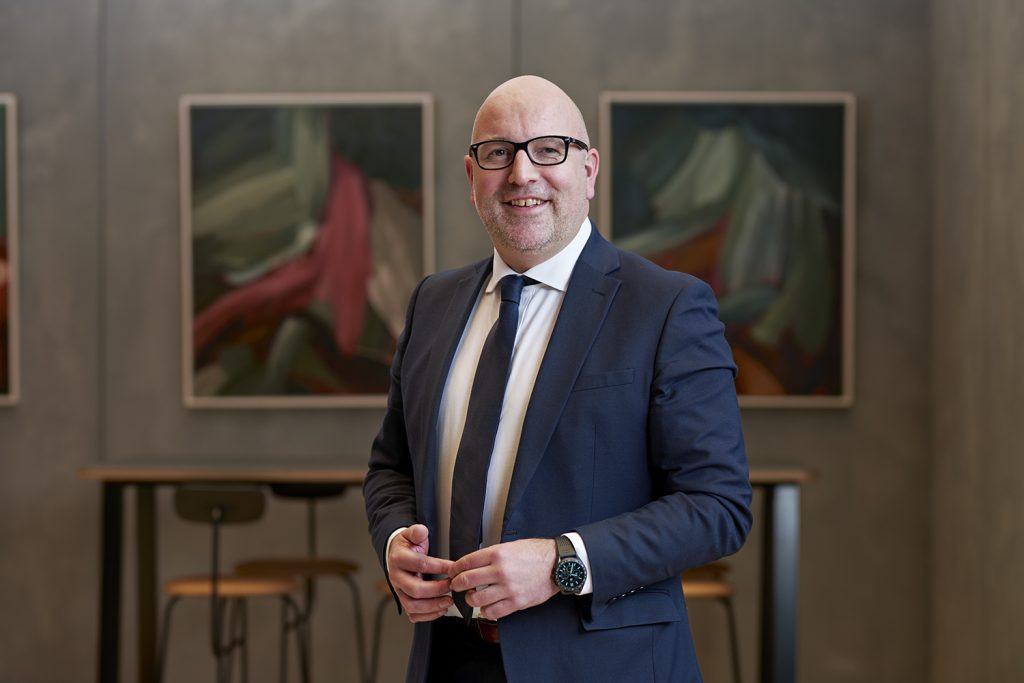
To mark the milestone, chief executive Daniel Copley reflects on the journey so far, what a family of schools makes possible, and the road ahead.
It is five years this summer since Emmaus Catholic Academy Trust was founded. We began with four Catholic schools to look after across Greater Manchester, in the middle of a national lockdown. Today, we are a family of 32 schools, growing to 38 in July, and on our way to 67 by 2030.
It feels like a good moment to look back at what we set out to do, what we have built together, and where our shared journey takes us next.
Where we began
When Emmaus CAT was founded, we had a brief from the Diocese of Salford and a clear ambition: three strong Catholic academy trusts in the diocese by 2030, with Emmaus to be one of them. We had no central team, no infrastructure, and four schools, each judged inadequate by Ofsted, that needed our care and our patience.
On paper, we were the underdogs against long-established national trusts 10 and 15 years in the making, some of them many times our size at that point. What we knew, and still hold to, is that our potential and our mission and purpose were great from the start.
“This was a job that not many people would have looked at and gone for,” Daniel recalls. “But I knew there was a bigger plan, and that once we had got those first four schools moving, a wider family of schools would come together.”
How Emmaus CAT works
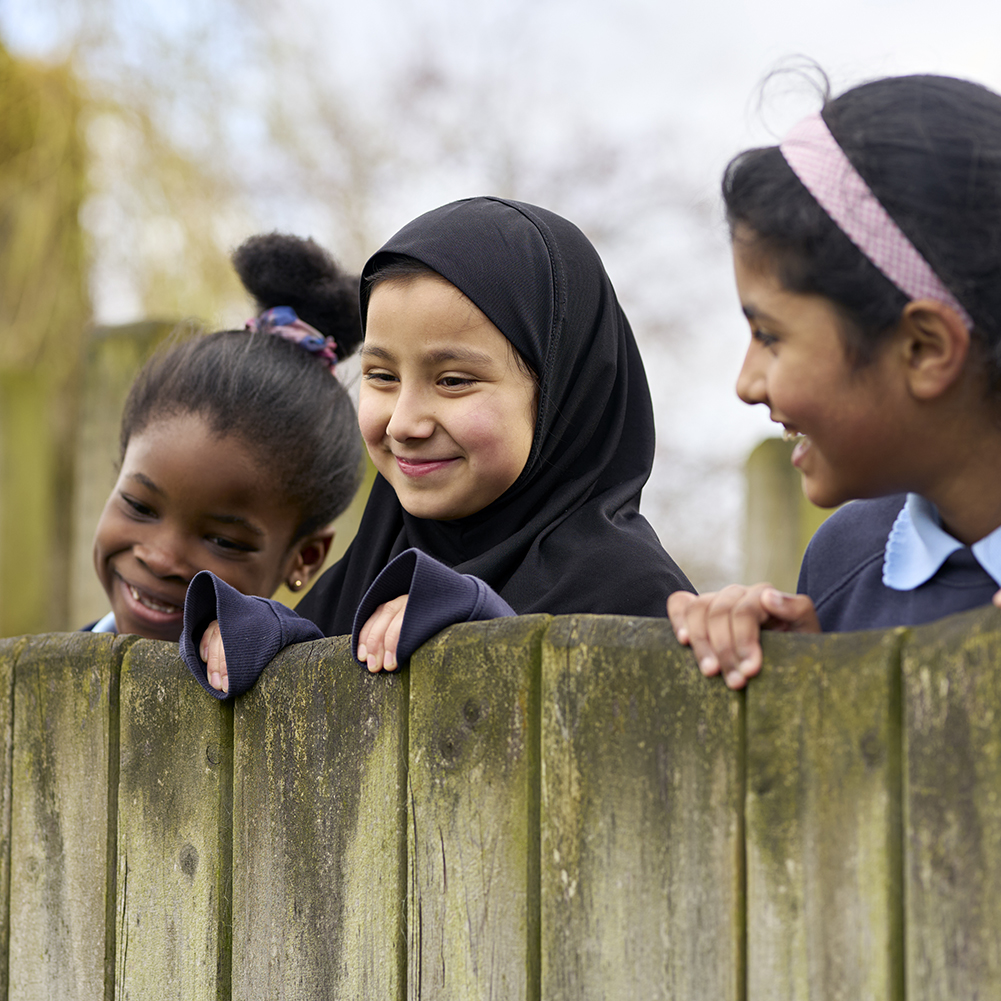
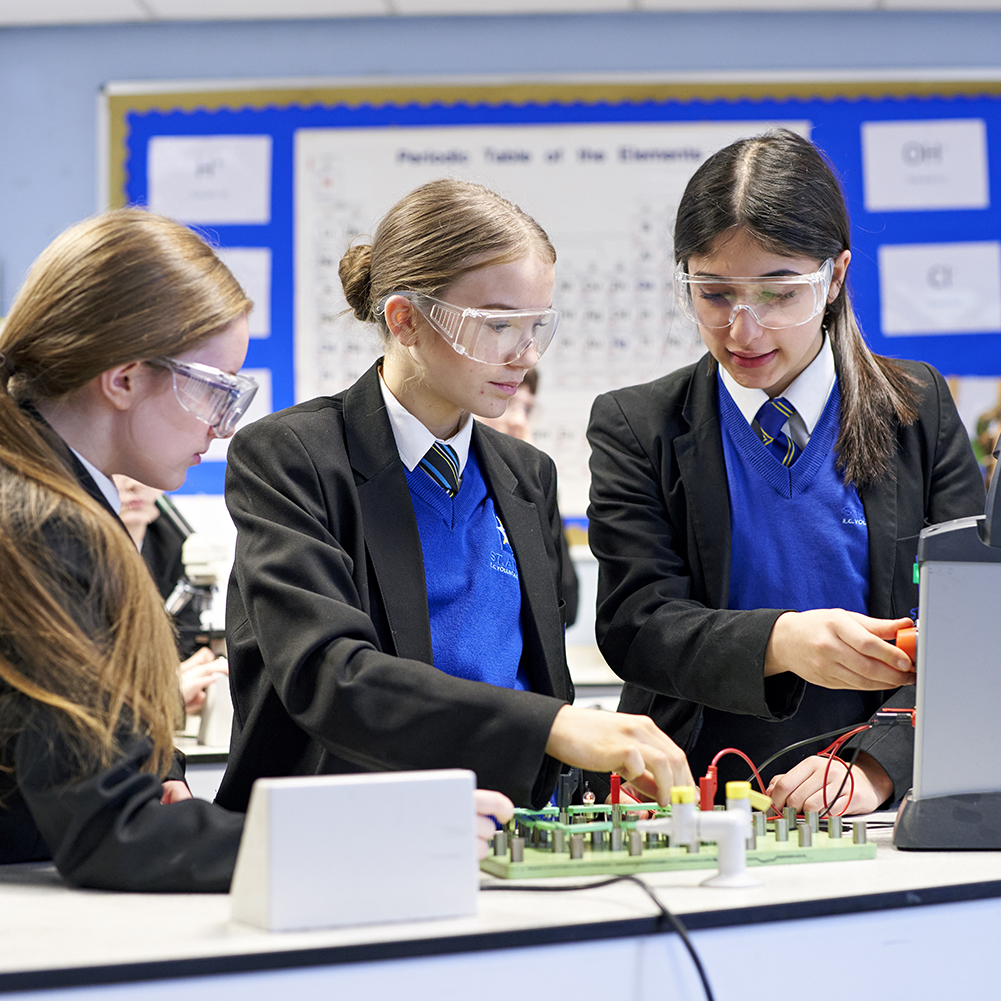
We take a particular view of what a Catholic multi-academy trust can be. Where other models standardise everything, we have done something different. We call it aligned agency: schools align on the sensible things behind the scenes, governance, compliance, safeguarding, finance and systems, while everything that touches pupils, parents and community stays bespoke to the school.
The phrase we come back to is “walking with”. Schools are not “done to”, they are “walked alongside”. As Daniel puts it, “It is a longer and more complex process, but the right one. The people in a school are the ones who can really improve it, and if we walk with them, the school improves itself.”
Better as a family
Those first four schools were the starting point, not the whole picture. Many of the schools that have joined Emmaus CAT since came to us already strong, performing well and bringing their own character and expertise into the wider family. Catholic schools across Greater Manchester come into Emmaus CAT on a planned schedule, and a number are now asking to join us sooner than their place in that schedule suggests.
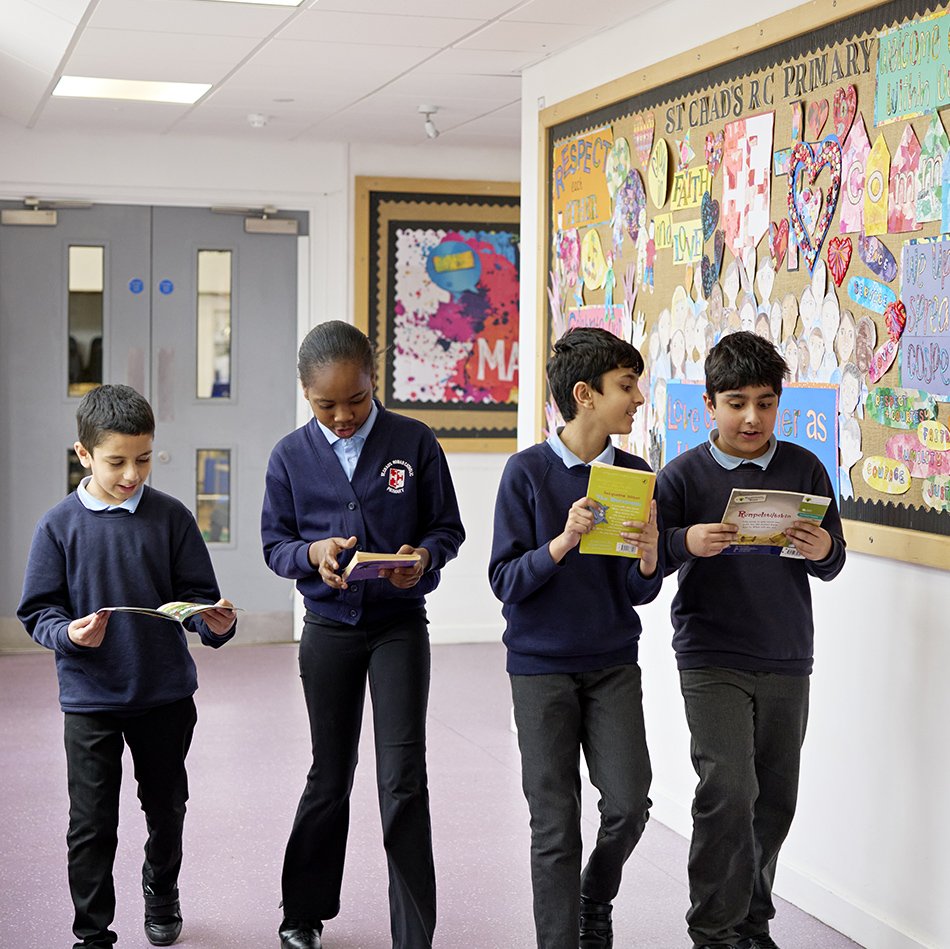
Being part of Emmaus CAT offers schools, and the children and staff in them, something we are quietly proud of. As a family of more than 30 schools across Greater Manchester, we can do things no school could do alone. We benchmark across the family. We pool resources and share specialists. We play to each school’s strengths, learning from what works in one place and offering it to the next.
The same is true for the people who work in our schools. Our staff have access to professional development we could never have built one school at a time. Pupils are taught by colleagues who keep growing throughout their careers, and our enrichment offer, from sport and the arts to broader opportunities, is stronger because we plan and resource it together.
For a parent choosing an Emmaus CAT school, this is what it means in practice: a school that keeps its own character and community, with the wider family quietly making it better.
What we have learned
The journey has not been without harder moments. The first four schools each carried decades of underperformance. One had seen 10 headteachers in 10 years. Stabilising leadership, restoring culture and rebuilding confidence took time, patience and care from everyone involved.
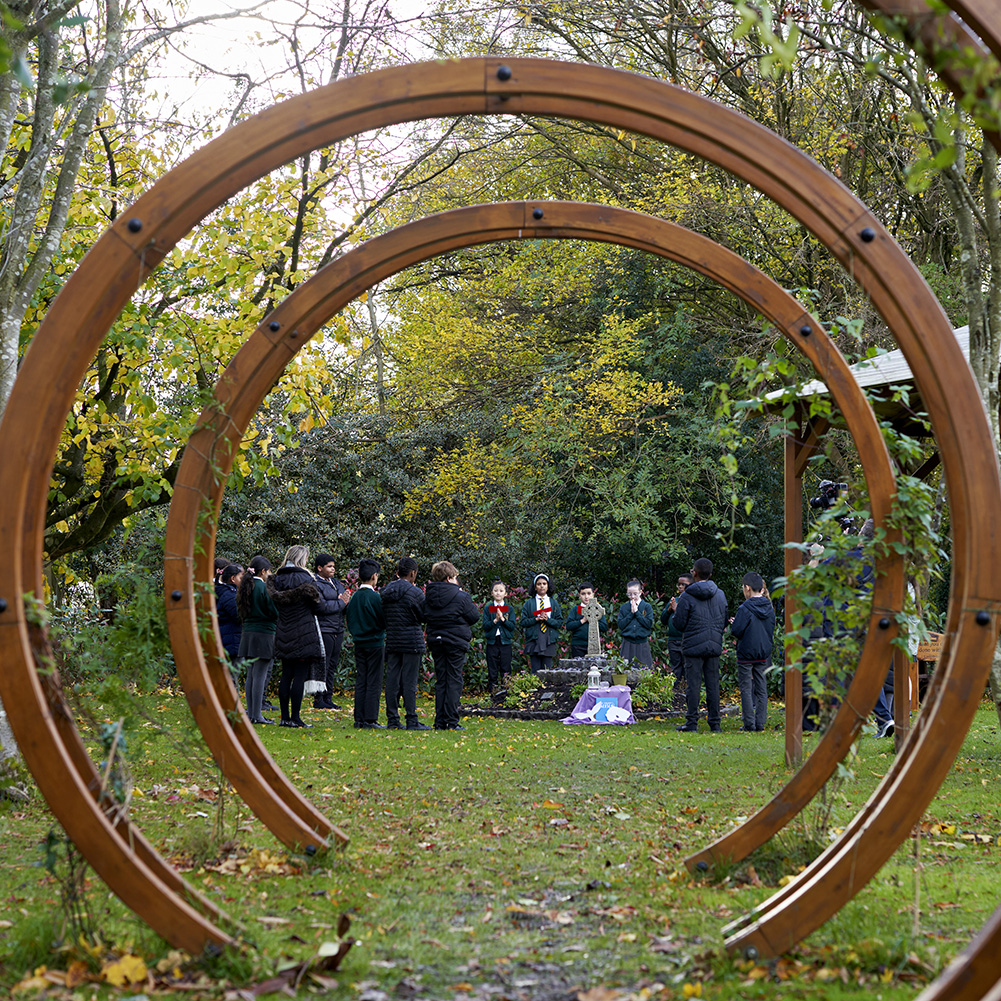
There have been moments of deep loss too. We have walked with school communities through the deaths of pupils, and we have grieved members of our own staff. Our Catholic faith has carried us, and the way our schools have held one another in those times has spoken to what a family of schools really is. One teacher continued to teach through her own illness, raising awareness and funds for cancer research until the end of her life. Her school’s response, in grief and in gratitude, will stay with us.
We have learned along the way. An urgent inspection of one of our inadequate secondary schools, less than a year after it joined us, returned another inadequate judgement. In transparent reflection, we look back on that as a moment we should have built greater support capacity even more quickly, and we have used that lesson well.
Five years on
We are quietly proud of where we are, and clear-eyed about the responsibility a family of this size carries. Last academic year, every Emmaus primary school came in above the national average for reading, writing and maths at key stage 2. Every secondary is improving its inspection outcomes and attainment. We believe any of our schools would be judged positively at the point of inspection today.
We are fortunate to have no real difficulty recruiting and retaining the people we want in our schools. The reputation Emmaus CAT has built, school by school, is doing its own quiet work.
The road ahead
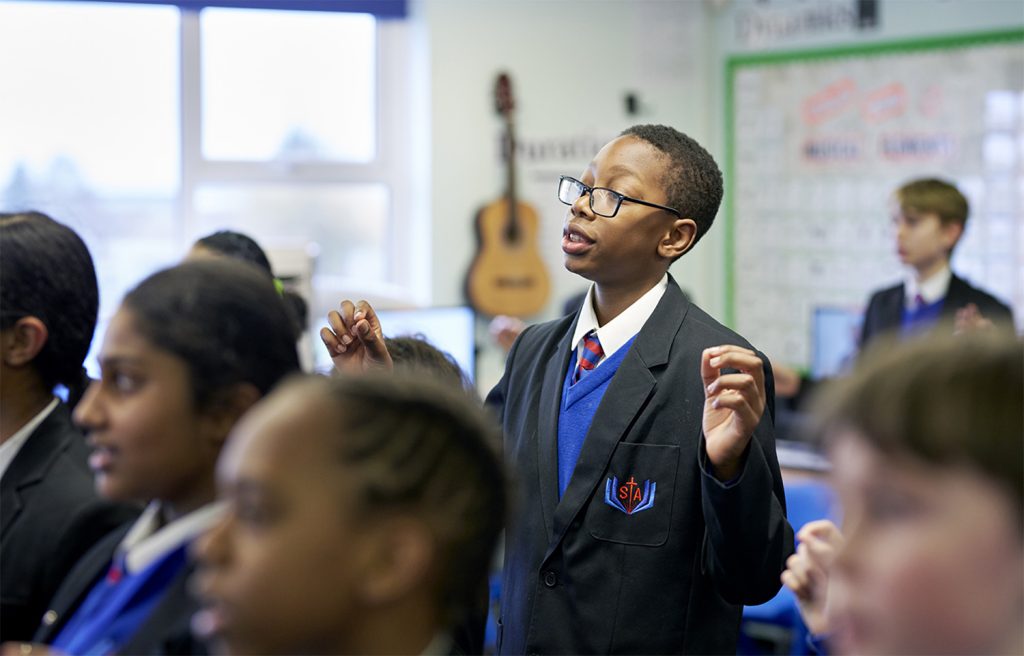
Over the next five years, we will move from a fast-growing trust to a fully established one: 57 primary schools and 10 secondary schools across Greater Manchester, working together as an all-through family. Inclusion and our work on special educational needs sit at the heart of that chapter. A shadow board of pupils, including children in care, will give the young people we most need to hear from a direct say. Parent voice is being built up the same way.
“We are not exam factories. We never will be,” Daniel says. “We are creating communities for the future. Well-rounded, well-educated, cultured young people who go out and serve the communities across Greater Manchester that we are here for.”
We are the first to say we have not arrived. We are not the finished article, and we would not claim to be. But after five years of walking together, of hard work and lessons and shared successes, the road ahead is one we are walking with confidence and gratitude, one school, one family, one community at a time.